Category | Specifications |
Brand | BIONOON |
Price Range | Negotiable |
Final Discharge Particle Size | 0.01-0.5mm |
Applicable Samples | Multiple sample types |
Instrument Type | Grinding Mill |
Origin Category | Domestic (Made in China) |
Application Fields | Environmental Protection, Food/Agricultural Products, Bio-industry, Pharmaceutical/Biopharmaceutical, Comprehensive |
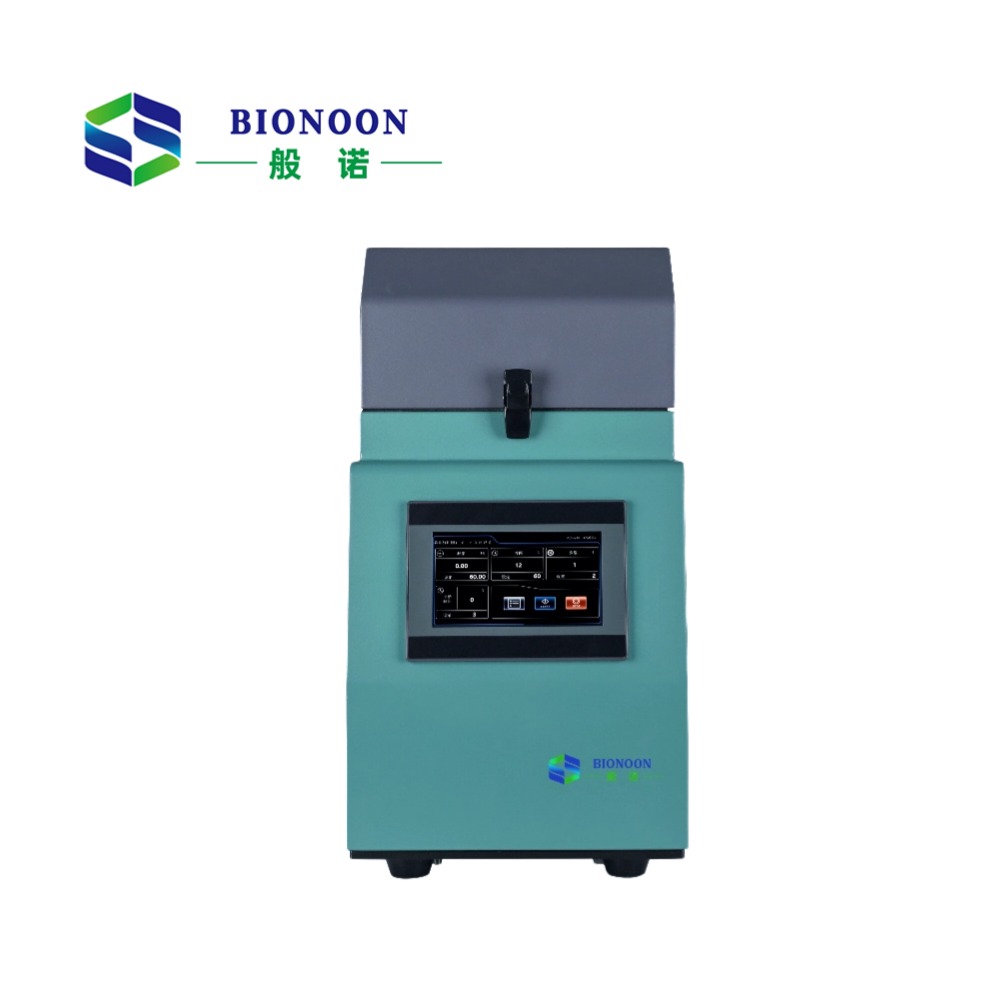
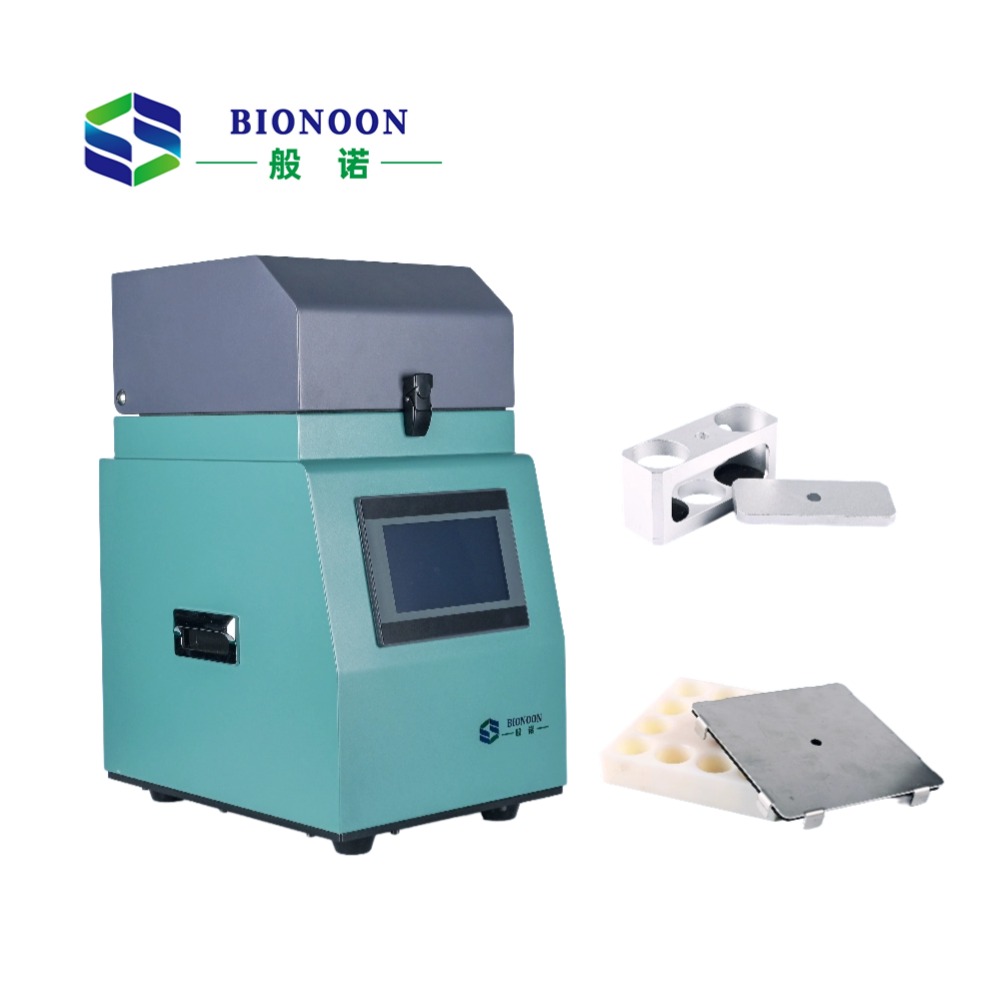
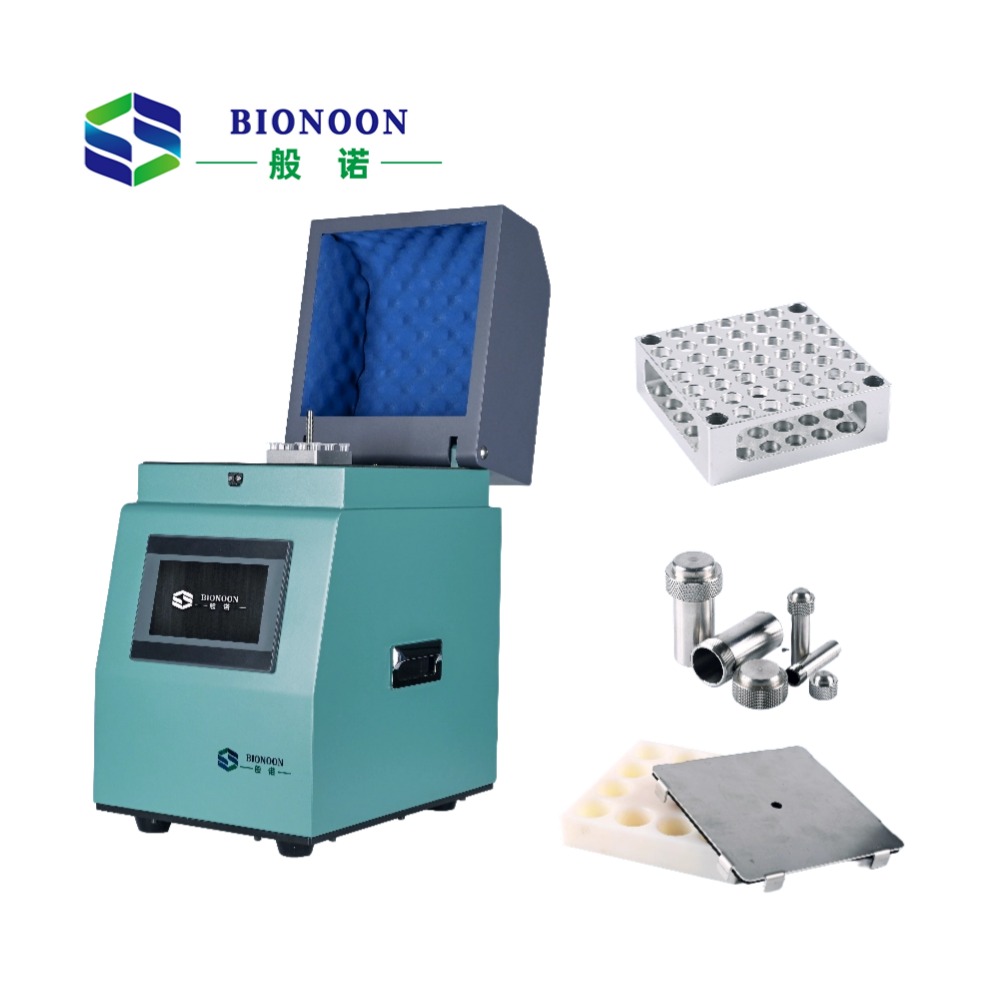
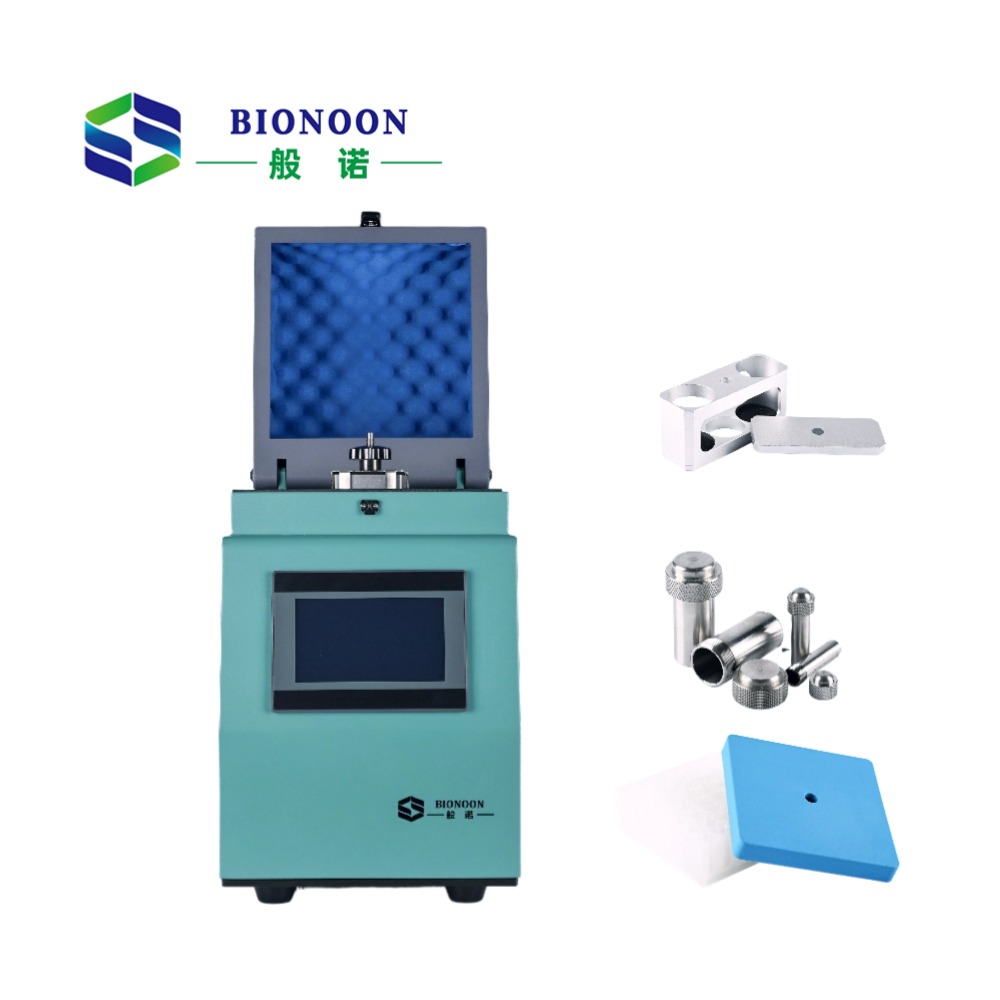
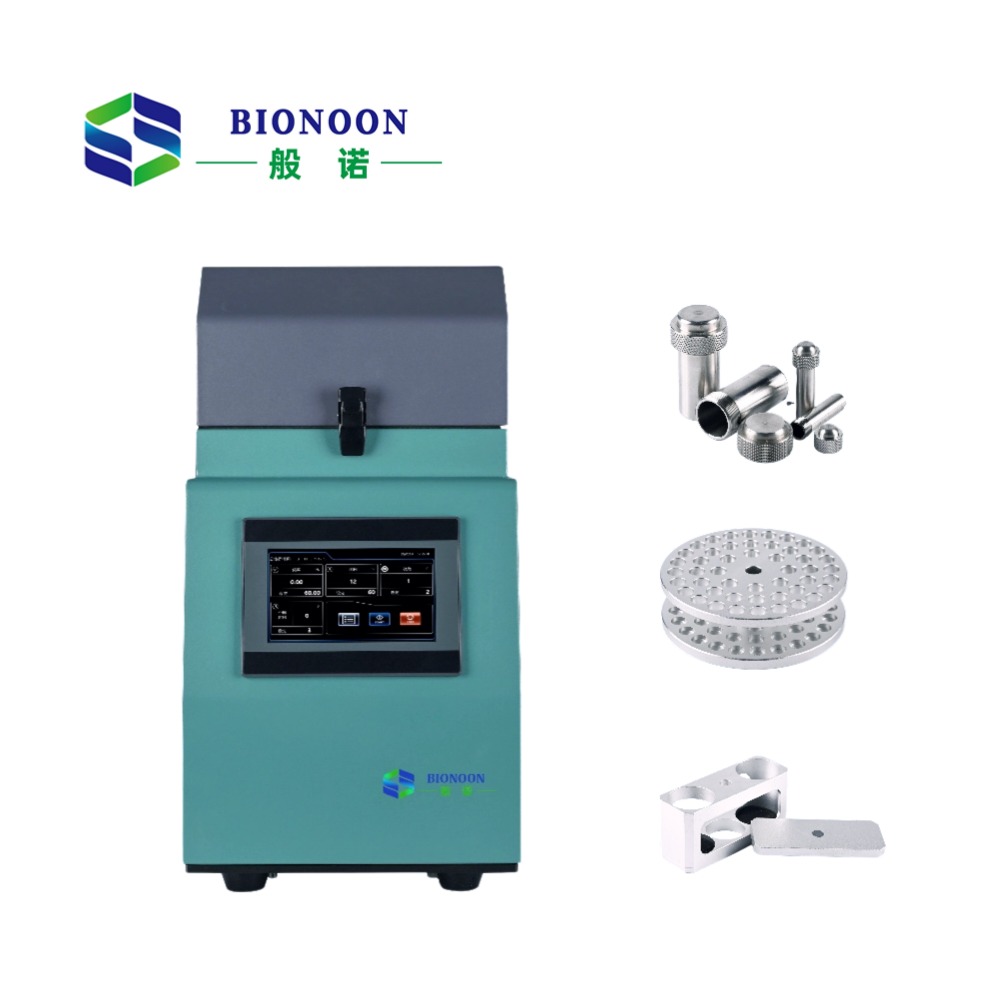
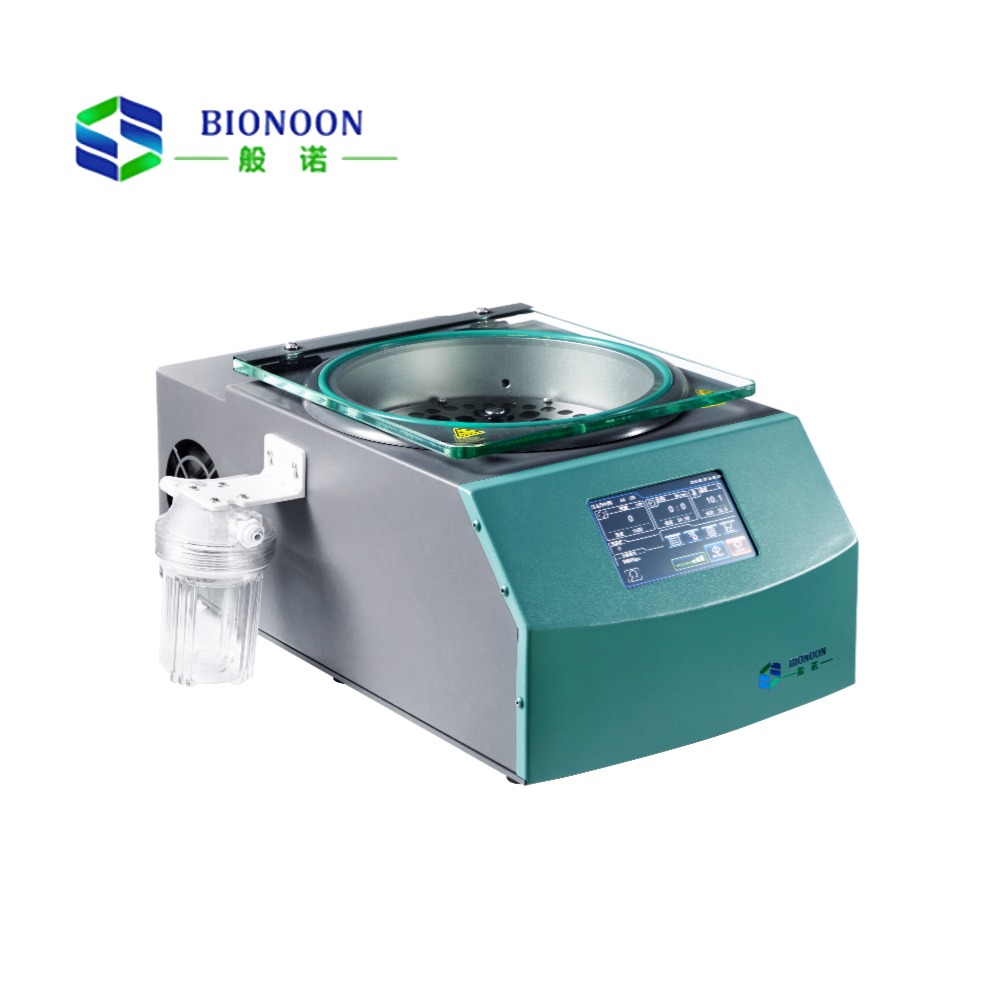
The high-throughput grinding mill is an indispensable high-efficiency sample processing equipment in modern laboratories. With its powerful grinding capability, high-throughput processing, and automated operation, it plays a crucial role in scientific research and industrial production. Below, we will provide a detailed introduction to this equipment in simple and understandable terms, covering its definition, working principle, application fields, main features, operation, and advantages.
I. Definition
A high-throughput grinding mill is an efficient device capable of processing multiple samples simultaneously. It uses high-frequency vibration or rotational grinding to achieve rapid and effective crushing and homogenization of samples. The design purpose of this equipment is to improve the efficiency of sample processing, reduce manual operation, and ensure the accuracy and repeatability of results.
II. Working Principle
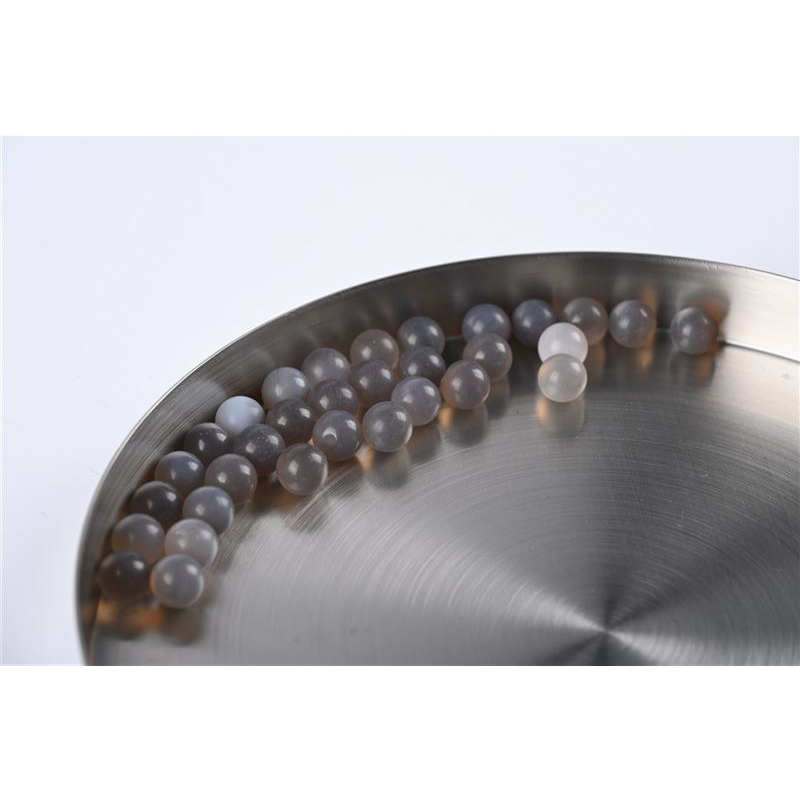
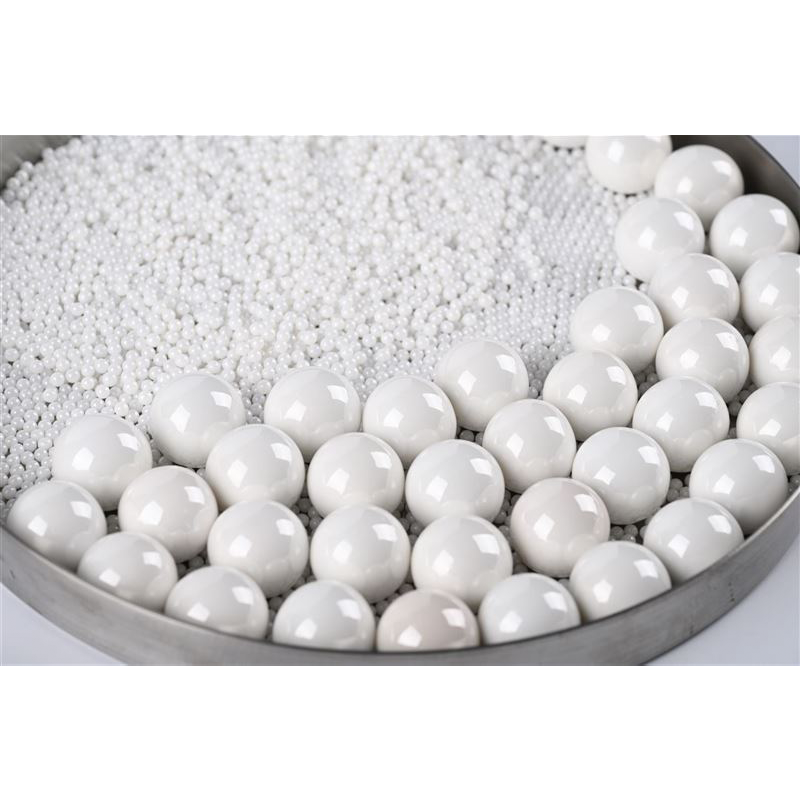
The working principle is mainly based on high-frequency vibration or rotational grinding technology. During the grinding process, samples are placed into specialized grinding jars, along with an appropriate amount of grinding balls and water or buffer solution. Subsequently, the grinding jars are driven by a motor to perform high-frequency vibration or rotation, causing the grinding balls to exert high-frequency impact, strong friction, and extrusion on the samples inside the jars—thus achieving rapid crushing and homogenization of the samples.
Specifically, there are two main vibration modes: horizontal lateral vibration and vertical vibration. Horizontal lateral vibration performs better in practical applications because it can transfer energy more effectively, enabling the grinding balls to generate more uniform and intense impact and friction effects inside the jars. On the other hand, rotational grinding achieves grinding by rotating the grinding jars, which causes the grinding balls to produce shear force and extrusion force inside the jars.
III. Application Fields
The grinding mill is widely used in various fields such as laboratory research, biopharmaceuticals, environmental testing, and food safety testing. It can process multiple types of samples, including plant tissues, animal tissues, cells, bacteria, and yeast. It effectively crushes cell walls to release biomolecules such as nucleic acids and proteins, providing high-quality samples for subsequent experimental analysis.
In the biopharmaceutical field, it can be used to extract intracellular nucleic acids and proteins, serving as an important tool for genetic research and proteomics research. In the fields of environmental testing and food safety testing, it can be used to detect harmful substances and microorganisms in samples, safeguarding the environment and public health. Additionally, it has broad applications in industries such as geological chemical engineering and agricultural food.
IV. Main Features
1. High-Throughput Processing: It can process multiple samples at the same time, significantly improving sample processing efficiency. For example, some models of high-throughput grinding mills can grind 48, 96, or even more samples simultaneously in a short period, greatly saving time and labor costs.
2. Automated Operation: Equipped with an automatic sample feeding system, it can automatically complete sample loading, grinding, and cleaning processes. This reduces manual intervention, minimizes operational errors, and improves experimental accuracy.
3. Precise Control: The grinding time and intensity of the mill can be precisely adjusted via the control panel to adapt to the grinding needs of different samples, ensuring consistent grinding results.
4. Wide Applicability: It is suitable for various types of samples, including tissues, cells, and bacteria of varying hardness, meeting the diverse needs of different scientific research fields.
5. Easy Cleaning and Maintenance: Components such as grinding jars and grinding balls are reasonably designed for easy disassembly and cleaning. This effectively avoids cross-contamination and sample residue, ensuring the accuracy of experimental results.
V. Operation and Usage
When using this grinding mill for sample grinding, the following steps are generally followed:
1. Place the equipment in a dry and well-ventilated environment, connect it to the power supply, check if the control display lights up normally, and test whether the control buttons work properly.
2. Put an appropriate amount of samples and grinding balls into the ball milling jars. Note: Do not fill the jars completely; leave a certain amount of grinding space.
3. If pre-freezing treatment is required, place the ball milling jars with samples into a liquid nitrogen environment for cooling, then install them into the equipment for grinding.
4. Place the ball milling jars into the fixture of the high-throughput grinding mill, secure them firmly, and close the lid.
5. Set the operation time and oscillation frequency of the grinding mill on the control display, then start grinding. After grinding is completed, remove the ball milling jars, pour out the samples, and proceed with subsequent experimental analysis.
VI. Advantages
The grinding mill has irreplaceable advantages in laboratory sample preparation. It not only processes samples more effectively, improving grinding efficiency and quality, but also minimizes variation in repeated operations for the same sample—ensuring the reproducibility, effectiveness, and comparability of sample processing results. Additionally, it processes samples in sealed sample tubes, avoiding cross-contamination between samples and providing further guarantee for subsequent experimental analysis.
In summary, with its characteristics of high efficiency, automation, precise control, and wide applicability, the grinding mill plays an increasingly important role in scientific research and industrial production. As technology continues to develop, its performance and functions will be further optimized and improved, providing more convenient and efficient solutions for laboratory research.

 Slovenian
 Slovak
 Latvian
 Bosnian
 Icelandic
 Ukrainian
 Georgian
 Serbian
 Croatian
 Belarusian
 Romanian
 Estonian
 Hungarian
 Czech
Czech
 Catalan
 Norwegian
 Lithuanian
 Albanian
 Hindi
Hindi
 Italian
 Finnish
 Arabic
 Danish
 Bulgarian
 Thai
Thai
 Polish
 Swedish
 Greek
Greek
 Portuguese
 Dutch
Dutch
 Turkish
 Russian
 Deutsch
 French
 Korean
 Japanese
 English