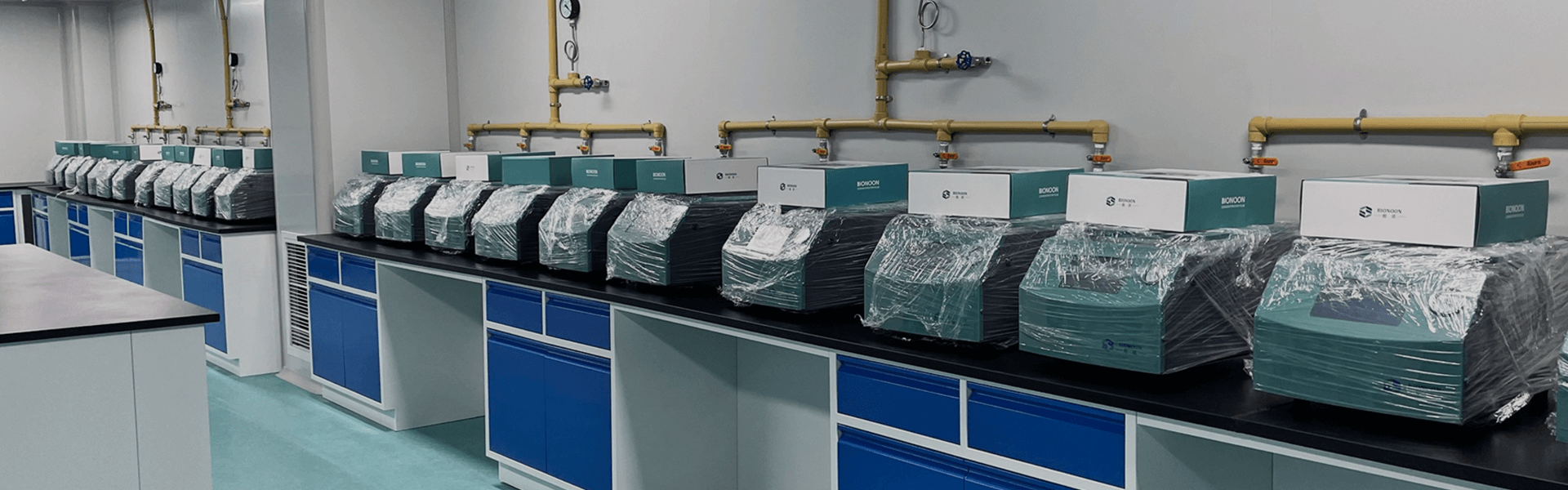
When it comes to laboratory homogenization, bead mills are a preferred choice for many researchers. Their ability to efficiently process samples makes them indispensable. If you’re in the market for a bead mill homogenizer for sale, you’ve come to the right place. In this article, we’ll delve into what they are, why you need one, and how to choose the best one for your needs.
A bead mill homogenizer is a powerful device designed for the mechanical disruption of cells and tissues. The process involves the use of small beads that grind and mix samples at high speeds, making it possible to homogenize various biological materials.
These machines can handle a wide range of sample types including tissues, cells, and even powders, providing versatility for researchers in different fields.
Many laboratories opt for bead mill homogenizers due to their efficiency and effectiveness in sample preparation. These homogenizers save time and effort, allowing for rapid processing of multiple samples, which is crucial for data collection and analysis.
Moreover, bead mills are designed to maintain the integrity of sensitive biological materials, ensuring accurate and reliable results, making them an essential tool in modern biological and chemical analysis.
When searching for a bead mill homogenizer for sale, consider the following tips:
Laboratories and research institutions engaged in biological and agricultural sciences greatly benefit from high-quality bead mill homogenizers. Shanghai Bionoon, established in 2013, offers a variety of lab instruments including bead mills that are ISO9001 and CE certified. Their commitment to innovation and customer value has made them a trusted choice among leading research organizations in China.
In summary, purchasing a bead mill homogenizer is an investment in your laboratory's productivity and efficiency. By understanding the essential features, exploring reliable suppliers like Shanghai Bionoon, and selecting the right model for your specific needs, you can elevate your research efforts to new heights.
Previous: Exploring Wholesale Vacuum Concentrators: A Smart Investment for Laboratories
Next: The Essential Guide to Buying a Benchtop Lyophilizer

