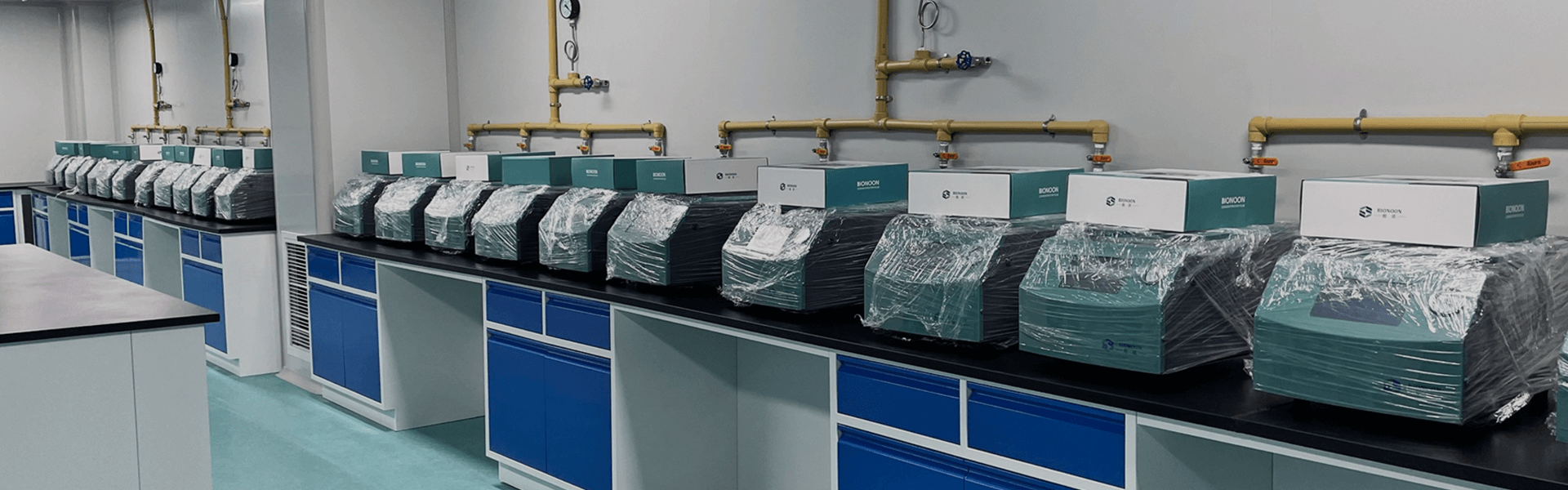
A non-contact ultrasonic processor is a state-of-the-art device used in laboratories for various applications, including homogenization, emulsification, and particle size reduction. It operates using ultrasonic waves to process samples without direct contact, minimizing contamination risks and preserving sample integrity.
This innovative technology allows for efficient processing of biological and chemical samples, making it a preferred choice among researchers and laboratory technicians.
Investing in a non-contact ultrasonic processor offers numerous advantages. Firstly, it significantly reduces the risk of cross-contamination, ensuring the purity and quality of your samples. Furthermore, this technology allows for consistent and reproducible results, crucial for scientific research.
Secondly, the versatility of these processors means they can be utilized across various fields, from pharmaceuticals to food technology, enhancing the range of experiments and analyses you can conduct.
Laboratories and research institutions involved in life sciences, chemistry, and materials science should prioritize acquiring a non-contact ultrasonic processor. Prominent manufacturers like Shanghai Bionoon Biotechnology Co., LTD. offer cutting-edge solutions tailored to meet diverse laboratory needs, with a proven reputation for high-quality products.
Choosing the right processor involves assessing your specific application requirements such as processing volume, frequency settings, and temperature control. Start by evaluating the types of samples you will be working with and their sensitivity to temperature and shear stress.
Next, consider the power output and frequency of the ultrasonic processor. Higher frequencies can be more effective for smaller particles, whereas lower frequencies are better for larger volumes.
Lastly, consult reputable manufacturers who offer support and warranty options, like Shanghai Bionoon, ensuring you select a reliable and durable product that meets your laboratory's exacting standards.
In conclusion, a non-contact ultrasonic processor is a vital asset for modern laboratories, enabling high-quality and contamination-free results. By understanding what these devices are, why they are important, and how to select the best one for your needs, you can greatly enhance your research capabilities.
Previous: The Advantages of Benchtop Ultrasonic Cleaners for Sale
Next: Understanding the Pricing of Chemical Resistant Vacuum Pumps

