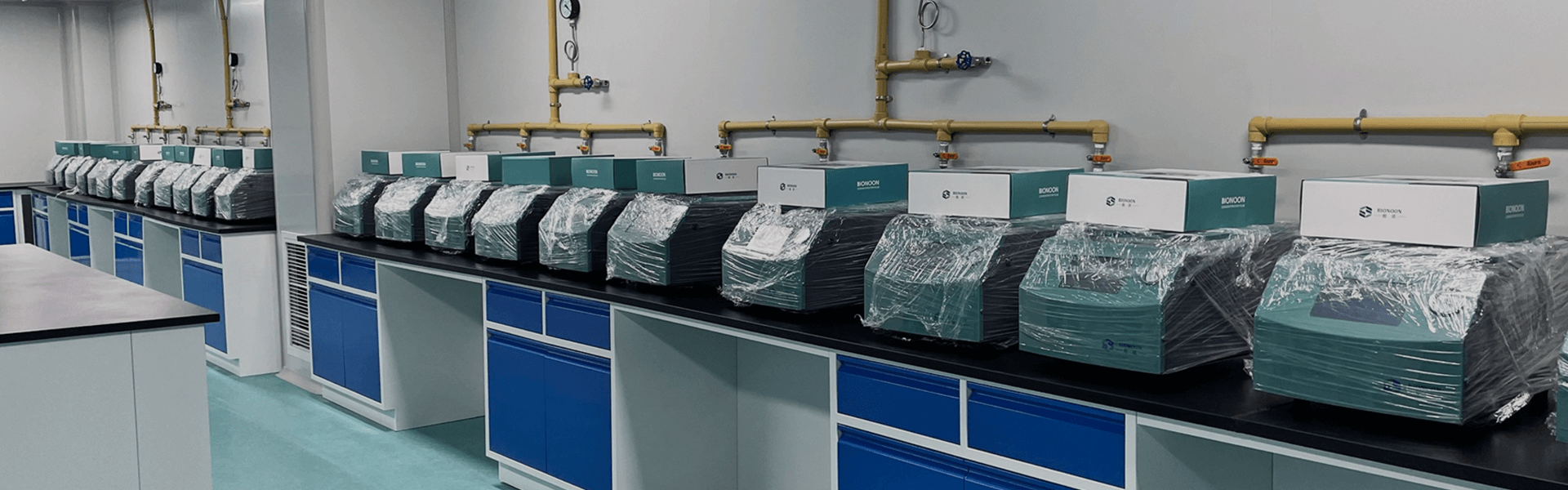
The bead mill homogenizer is a powerful tool designed for the thorough homogenization of samples, often used in molecular biology and biochemistry. With its capacity to grind, disrupt, and homogenize samples efficiently, it's a crucial piece of equipment for researchers aiming for high-quality results.
This article lays out the essential protocol for using a bead mill homogenizer, ensuring you achieve optimal sample preparation every time.
A bead mill homogenizer utilizes microbeads and high-speed mechanical action to break apart biological materials. It is primarily used for the lysis of bacterial cells, plant tissues, and other challenging samples to extract nucleic acids, proteins, or other biomolecules.
This method is highly efficient, allowing for rapid processing of multiple samples simultaneously, making it a preferred choice for busy laboratories.
The bead mill homogenizer excels in sample preparation due to its ability to achieve uniform particle size reduction, which is vital for downstream applications like PCR, sequencing, or Western blotting. Traditional methods can be time-consuming and less effective in breaking down tough samples, whereas bead mills provide consistent results.
Additionally, the versatility of the bead mill homogenizer allows it to cater to various sample types, from soft tissues to hard substances, thus broadening its application in research.
Step 1: Prepare your samples by adding them into the homogenization tubes along with appropriate buffers and microbeads.
Step 2: Load the tubes into the bead mill homogenizer and set the parameters such as speed and time based on the sample type.
Step 3: Start the homogenization process; monitor temperature to prevent overheating, which can affect sample integrity.
Step 4: After processing, carefully retrieve your samples, maintaining sterile conditions to avoid contamination.
Step 5: Analyze the homogenates immediately or prepare them for storage.
Laboratories involved in molecular biology, cell biology, and microbiology will find the bead mill homogenizer protocol invaluable. Companies like Shanghai Bionoon Biotechnology Co., LTD. offer high-quality laboratory instruments, including bead mill homogenizers, ensuring researchers have access to reliable equipment.
As a leader in laboratory solutions since 2013, Shanghai Bionoon emphasizes quality and service, making it a trusted partner for scientific research.
Mastering the bead mill homogenizer protocol is essential for researchers aiming for high-quality sample preparation. Understanding its operation, significance, and best practices will enhance your laboratory's efficiency, ensuring successful outcomes in your scientific endeavors.
Previous: Finding Reliable Vacuum Concentrator Suppliers
Next: Find the Best Taxidermy Freeze Dryer for Sale: Your Ultimate Guide

