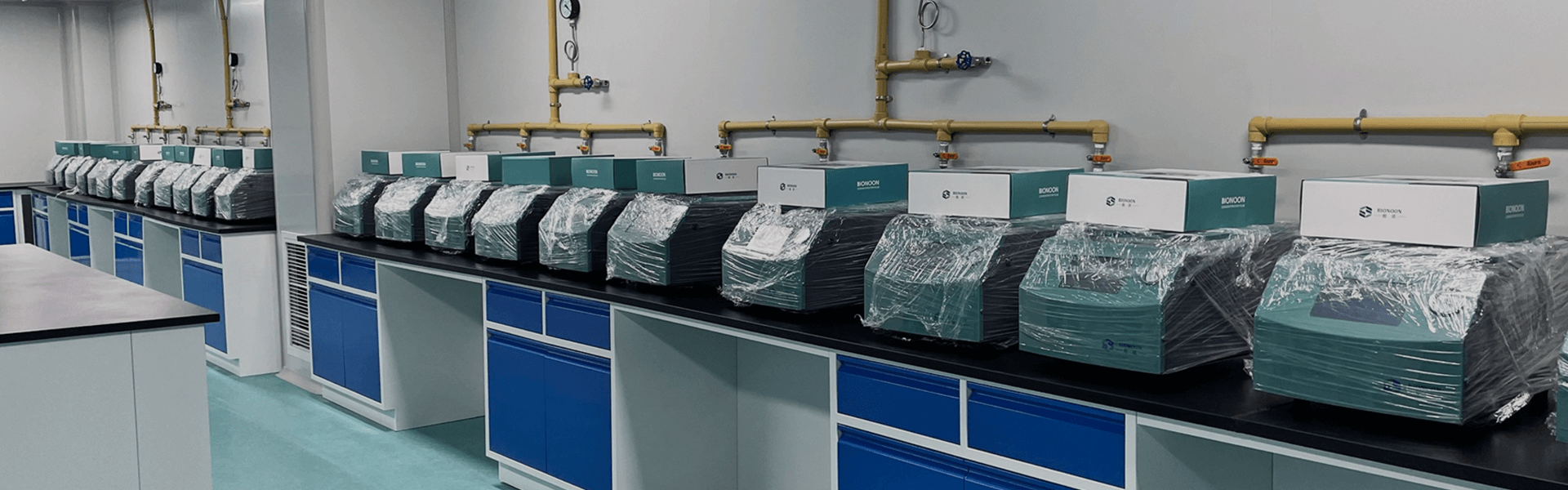
DNA shearing is a crucial process for many genetic studies and applications. A sonicator not only simplifies this process but also enhances the quality of your results. This article will guide you through mastering the use of a DNA shearing sonicator, ensuring you can achieve optimal results in your experiments.
A DNA shearing sonicator is a device that applies ultrasonic waves to fragment DNA into smaller pieces. This is particularly important in next-generation sequencing (NGS) and other molecular biology applications where DNA size may affect analysis outcomes.
By controlling the duration and intensity of the ultrasound, scientists can achieve desired fragment sizes and qualities that are vital for successful downstream applications.
Using a sonicator provides numerous advantages, including precise control over DNA fragment sizes, which is essential for consistency in NGS. Traditional methods may yield uneven sizes, whereas sonication is more uniform.
Moreover, sonication reduces handling time, allowing for faster experiment timelines. The efficiency of the sonicator means that less sample is usually required, which saves valuable resources.
1. **Preparation**: Ensure the sonicator is clean and calibrated. Prepare your DNA sample by diluting it as needed.
2. **Set Parameters**: Define the sonication time and amplitude based on desired fragment size. A trial run may be beneficial to determine optimal settings.
3. **Sonication Process**: Place the sample in the sonicator, ensuring the tip is immersed in the liquid. Initiate the process and monitor it closely to prevent overheating.
4. **Post-Sonication**: Once completed, place the sample on ice to minimize any further degradation. Analyze the fragment size using gel electrophoresis for verification.
Researchers in genomic studies, biotechnology firms, and academic institutions are primary users of DNA shearing sonicators. Companies like Shanghai Bionoon Biotechnology Co., LTD offer cutting-edge sonication equipment tailored to enhance laboratory productivity.
Established in 2013, Shanghai Bionoon specializes in innovative laboratory instruments, ensuring DNA shearing and related processes yield high-quality results through its extensive range of products.
Using a DNA shearing sonicator effectively can streamline your genetic research and improve the quality of your DNA samples. Understanding the device's purpose, advantages, and following proper usage guidelines will enhance your laboratory's capabilities and productivity.
Previous: Strategic Insights on How to Optimize DNA Fragmentation
Next: The Essential Buying Guide for Ultrasonic Cleaning Baths

