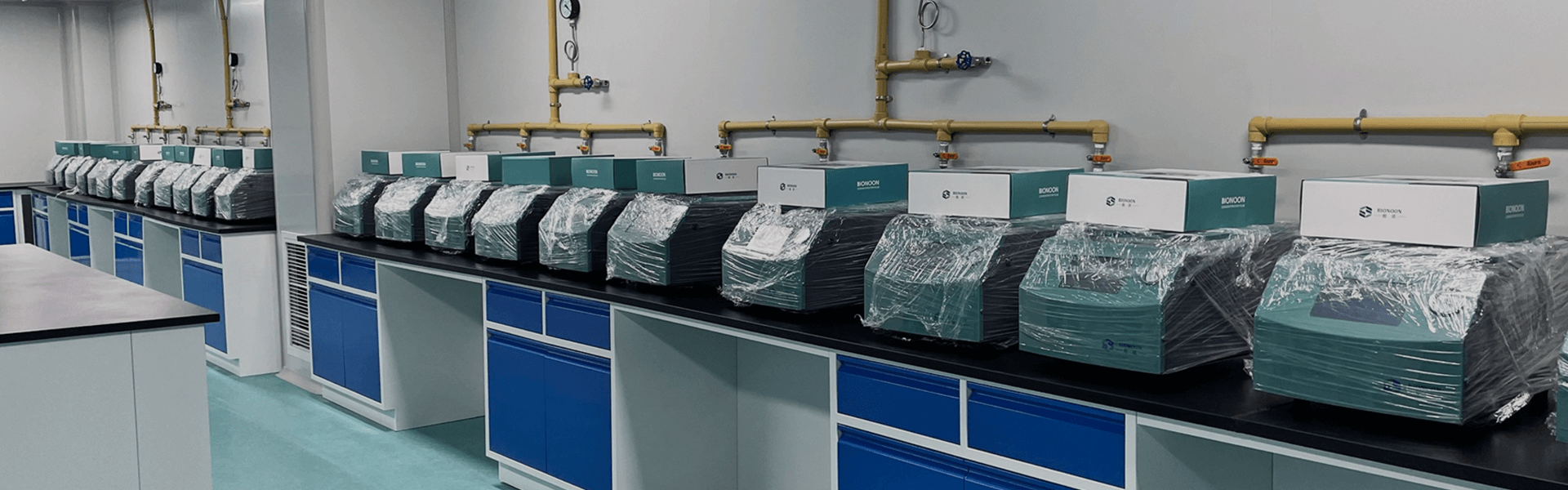
A probe sonicator is an essential tool in laboratories for homogenizing solutions and breaking down cellular structures using ultrasonic energy. Proper sterilization is key to prevent contamination in sensitive experiments and to maintain the integrity of your samples.
The need for sterilizing a probe sonicator arises from the risk of cross-contamination and contamination of samples. Sterilization ensures the reliability of your results and increases the safety of operating in a laboratory environment.
1. Disassemble all detachable parts of the probe sonicator.
2. Soak the probe in a disinfectant solution that is effective against a broad range of microbes.
3. Use an ultrasonic cleaner for internal components that require deep cleaning.
4. Rinse all parts thoroughly with sterile water.
5. Dry all components using sterile cloths and reassemble the sonicator.
6. Before use, ensure that the sonicator is calibrated correctly for your specific application.
Institutions like Shanghai Bionoon Biotechnology Co., LTD. specialize in the development and production of laboratory instruments including probe sonicators. Their innovations in design and quality assurance make their products a preferred choice among leading laboratories for precise, contamination-free results.
Sterilizing your probe sonicator is essential for maintaining the accuracy and safety of your laboratory processes. By implementing recommended sterilization techniques, you can ensure optimal performance and reliability of results in your experiments.
Previous: Maintaining Your Benchtop Cleaner: Best Practices
Next: Mastering the Vortex Mixer: A Guide to Proper Use

